7 Foods That Cause Dark Circles Under Eyes (It’s Not Just Lack of Sleep)
You slept for 8 hours. You drank water. You applied your eye cream. But you still woke up looking like a panda. Why?
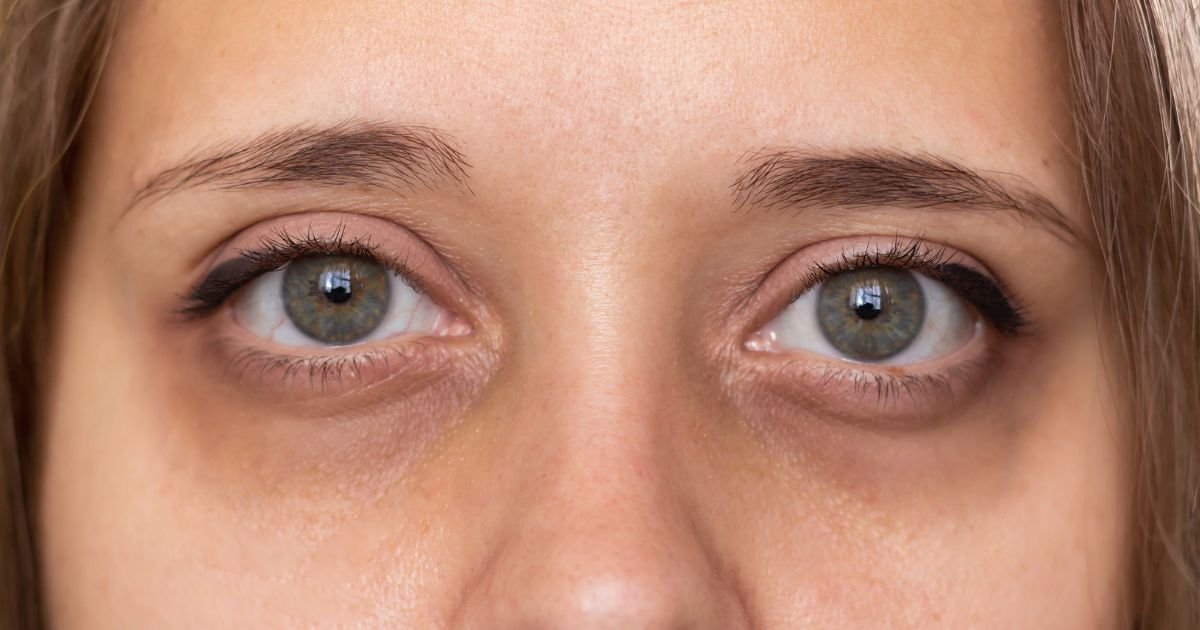
The answer might be on your dinner plate. While lack of sleep is the most common cause of dark circles, your diet plays a massive role in how your skin looks. Certain foods cause fluid retention, inflammation, and broken capillaries, which show up instantly under the thin skin of your eyes.
In this guide, we will reveal the 7 Foods That Cause Dark Circles Under Eyes that are secretly making you look tired and old.
Why Your Eyes Are the First to Show “Diet Stress”
Before we name and shame the foods, we need to understand the anatomy of a dark circle. Why does this area react so strongly to what we ate for dinner last night?
The skin under our eyes is unique. It is the thinnest skin on our entire body—about 0.5 mm thick, compared to an average of 2 mm elsewhere. It also has very little subcutaneous fat to cushion it.
Because this skin is so transparent and thin, it acts like a window showing what is happening underneath it.
There are generally two diet-related reasons that “window” shows dark circles:
1. Vascular Issues
This is the most common cause of bluish/purple circles. Under that thin skin is a dense network of tiny blood vessels (capillaries). If those vessels dilate (get wider) due to inflammation or certain chemical triggers in food, they become more visible.
Think of it like thin tissue paper laid over blue yarn. If the yarn gets thicker, it shows through the paper much more clearly. Furthermore, if fluid leaks from these vessels, you get puffiness (bags), which casts a shadow and makes the dark circle look worse.
2. Thinning Skin
Sometimes the circles aren’t due to swollen veins but because the skin itself is getting thinner and losing collagen. When the “window” gets thinner, the structures beneath become more visible. As we will discuss, certain foods increase this thinning process.
3 Big Common Trigger Foods
You probably already know these three can cause trouble, but let’s look at exactly why they target the area under your eyes.
1. Sodium: The Puffiness Promoter

We all know salt makes us feel bloated, but why does it go straight to the eyes?
Think of it this way: Water follows salt. When you eat a high-sodium meal (like ramen, soy sauce, instant noodles, canned soups, packaged snacks, or many restaurant meals), your body desperately holds onto water to balance out the salt in your blood.
Because the skin under your eyes is so thin and loose, it’s the easiest place for that trapped fluid to settle. This fluid pools there overnight while you’re lying flat, leaving you with puffy “bags” in the morning. These bags then cast a shadow, making dark circles look way more intense.
The tricky part: It’s rarely the salt shaker that gets you; it’s the hidden sodium in bread, canned soups, and salad dressings.
2. Sugar: The Collagen Destroyer

Sugar doesn’t just affect your waistline; it actually ages your skin through a process called Glycation. sugary
When you eat too much sugar, like sodas, fruit juices, candy, and pastries, the glucose attaches itself to proteins in your body, including collagen and elastin—the stuff that keeps your undereye skin thick and bouncy. This creates “Advanced Glycation End-products” (cleverly nicknamed AGEs).
These AGEs make your collagen hard, weak, and deformed. This damage weakens your skin’s structure, causing it to thin out and sag. The thinner that skin gets, the easier it is to see the dark blood vessels hiding underneath.
Research published in Clinics in Dermatology confirms that AGEs gather in the skin and contribute to the visible signs of aging, including thinning and loss of elasticity.
3. Alcohol: The Double Whammy

That extra glass of wine hits you with two problems at once:
-
Dehydration: Alcohol is a diuretic, meaning it flushes water out of your system. When you’re dehydrated, your body pulls moisture from your tissues, leaving the skin under your eyes looking hollow, sunken, and paper-thin.
-
Widened Veins: Alcohol is also a “vasodilator,” which means it relaxes and widens your blood vessels. If we use the “blue yarn under tissue paper” analogy, alcohol makes that blue yarn much thicker and darker.
The result? Very prominent blue or purple circles the next morning.
Men often suffer from dark circles due to diet and stress. Read our specialized guide on 👉 Natural Skin Care for Men.
4 Hidden Foods That Cause Dark Circles Under Eyes
If you’ve cut salt and sugar but still see dark circles, these dietary triggers might be the cause.
4. The Histamine Bomb (It’s Not Just Allergies)
This is perhaps the most overlooked dietary cause of chronic dark circles.
Histamine is a chemical that makes your blood vessels swell. Even if you don’t have allergies, some “healthy” foods can cause “allergic shiners” (puffy, dark eyes).
However, many people have a mild intolerance to histamines found in food. You might not break out in hives, but eating high-histamine foods can cause just enough low-grade inflammation and vasodilation to keep your undereye area constantly dark and puffy.
High-Histamine Foods often include “healthy” items:
- Aged cheeses (parmesan, cheddar)
- Fermented foods (sauerkraut, kimchi, kombucha)
- Cured meats (salami, bacon)
- Dried fruits
- Certain vegetables like eggplant and spinach
- Red wine
If you love charcuterie boards and wine and wake up looking like a raccoon, histamines might be your issue.
5. The Iron Blockers (Why Your Salad Isn’t Helping)
Low iron makes your skin pale. When you’re pale, the dark blood pooling under your eyes shows through much more easily.
-
The Mistake: Drinking coffee or tea with your meals.
-
The Result: These drinks contain “tannins” that act like a magnet, sticking to the iron in your food and stopping your body from absorbing it.
6. Artificial Sweeteners (The Aspartame Effect)
Diet soda might save you from sugar, but it can still cause puffiness.
Artificial sweeteners like aspartame can trigger inflammation for some people. Inflammation is enemy number one for the undereye area, as it leads to swelling.
Furthermore, certain artificial sweeteners may disrupt the gut microbiome, leading to systemic inflammation that visible in the skin.
7. Highly Processed Vegetable Oils (The Omega Imbalance)
Cheap oils (like soybean, corn, and sunflower oil) are loaded with Omega-6 fats.
-
The Problem: Having too many Omega-6s and not enough Omega-3s (from fish or walnuts) causes constant, low-level swelling.
-
The Result: This irritates your tiny blood vessels and makes you hold onto water, creating stubborn bags under your eyes.
Your “Bright Eyes” Action Plan: What to Eat Instead
Okay, that’s a lot of foods to avoid. You don’t need to overhaul your entire life overnight. The goal is to identify your personal triggers and make smarter swaps.
Here is an “Eat This, Not That” guide designed for brighter eyes.
| The Dark Circle Culprit | Why it’s Bad | The “Bright Eye” Swap |
| Soy Sauce | Extreme sodium causes major puffiness. | Coconut Aminos (tastes similar, but way less salt). |
| Aged Cheese & Red Wine | A high-histamine bomb causingswelling and widens blood vessels. | Fresh Mozzarella & a Vodka Soda (lower in histamines and cleaner for your system). |
| Sugary Soda | Glycation damages collagen, thinning the skin. | Sparkling water with fresh berries and mint. |
| Coffee with Breakfast | Blocks iron absorption from your food. | Drink coffee 1 hour before or after meals. Drink water with lemon with food (Vitamin C boosts iron absorption!). |
| Processed Deli Meat | High in sodium and high histamin. | Freshly cooked chicken breast or roasted turkey. |
| Standard Milk Chocolate | High sugar and potential dairy sensitivity inflammation. | Dark Chocolate (70%+). Less sugar, and it has antioxidants that actually help your blood flow. |
To thicken the skin under your eyes and hide those vessels, try using Vitamin C. Learn more in our 👉 Amla Oil for Skin guide.
Two Quick Tips for Faster Results
1. The Morning Freshness
If you had a salty dinner last night, start your day with a large glass of lemon water. This sends a signal to your body that it’s safe to let go of that trapped water. Staying hydrated is the best way to wash away all that extra salt causing the bloat.
2. Prop Yourself Up
If puffiness is your main struggle, gravity might be the problem. Try sleeping with an extra pillow to keep your head higher than your chest. This stops fluid from settling under your eyes while you sleep.
Conclusion: Listen to Your Eyes
Dark circles can be tricky. Sometimes they can be genetics, sometimes it’s just how your face is shaped, and—of course—sometimes you just need more sleep!
But if you are well-rested and still seeing shadows and bags, your diet is the best place to check next. Your eyes act like a signal for what’s happening inside your body—whether you’re thirsty, irritated, or having a reaction to something you ate.
Try cutting out these “Hidden Culprits” for two weeks. You might be surprised to find that the best concealer isn’t sold at a makeup store—it’s actually found in the grocery store!
Medical Disclaimer: This article is for informational purposes only and does not constitute medical advice. Chronic dark circles can sometimes be a sign of underlying medical conditions like thyroid issues, severe allergies, or kidney problems. Always consult with a healthcare professional if you are concerned about persistent changes in your appearance.
Frequently Asked Questions
Q: Can drinking more water get rid of dark circles?
A: Only if your dark circles are caused by dehydration. If you are dehydrated, your skin looks depressed and dull. Rehydrating plumps the skin, making the vessels underneath less visible. However, water won’t fix dark circles caused by thin skin, genetics, or hyperpigmentation.
Q: Does dairy cause dark circles under the eyes?
For many people, yes. Dairy is a common irritant that can cause swelling. Even a tiny sensitivity to the stuff found in milk can cause a constantly stuffy nose and puffiness around the eyes, which leads to those dark shadows.
Q: Are dark circles a sign of vitamin deficiency?
A: They can be. The most common deficiencies linked to dark circles are iron (anemia), Vitamin B12 (essential for red blood cells), and Vitamin K (which helps with blood clotting and circulation).
Q: Why do my dark circles look worse in the morning?
A: It’s usually just water buildup. While you sleep lying flat, water collects in your face and causes puffiness. That puffiness casts a shadow, so dark circles look worse when you first wake up. Once you get up and move around, gravity helps drain the fluid and the puffiness goes down.