Tiny Black Dots on Skin Suddenly — Causes, What to Do & When to Worry
- Why does this matter?
- Common, Harmless Causes
- Less Common, But Good to Know
- Serious signs (red flags) – see a doctor immediately
- Quick self-check: What to Look For
- Simple first steps (safe at-home care)
- How a Doctor Will Examine You
- Treatment Options (By Likely Cause)
- Prevention & daily skin habits
- The Takeaway
- FAQs About "Tiny Black Dots on Skin Suddenly"
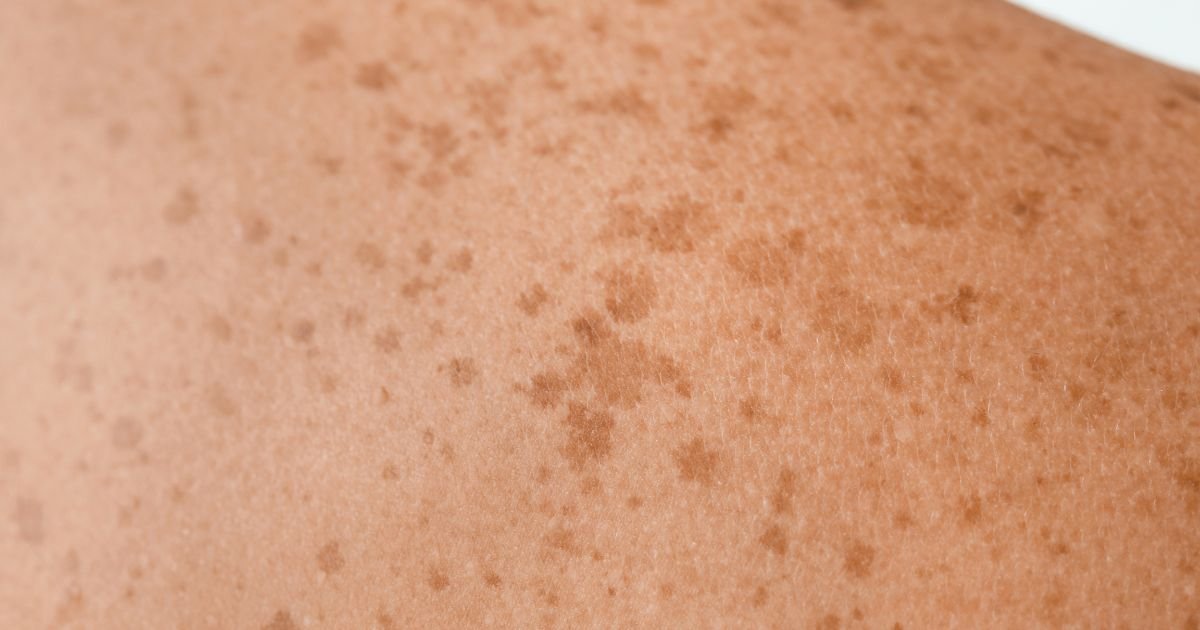
You woke up, looked in the mirror, and saw them: tiny black dots that weren’t there yesterday.
Panic sets in. Is it a bug bite? Is it a blackhead? Or is it something worse?
Before you start scrubbing your skin or Googling scary diseases, take a deep breath. Most of the time, these ‘mystery dots’ are harmless. In this guide, we will help you identify exactly what is on your skin and how to treat it safely.
Note: This guide is for informational purposes only and does not constitute medical advice. Always consult with a qualified healthcare provider for a professional diagnosis.
Why does this matter?
It’s completely normal to feel a little anxious when you see something new on your skin. The good news is that most tiny black dots are harmless and easy to fix. However, because they can sometimes be a sign of an infection or other issues like bleeding problems or mysterious pigment changes, it’s important to pay attention. Keeping an eye on them helps you catch problems early so you can get treated quickly.
Common, Harmless Causes
If you spot a tiny black dot, it is most likely one of these everyday issues:
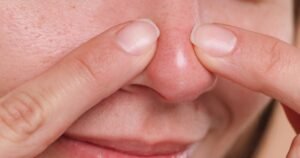
Blackheads
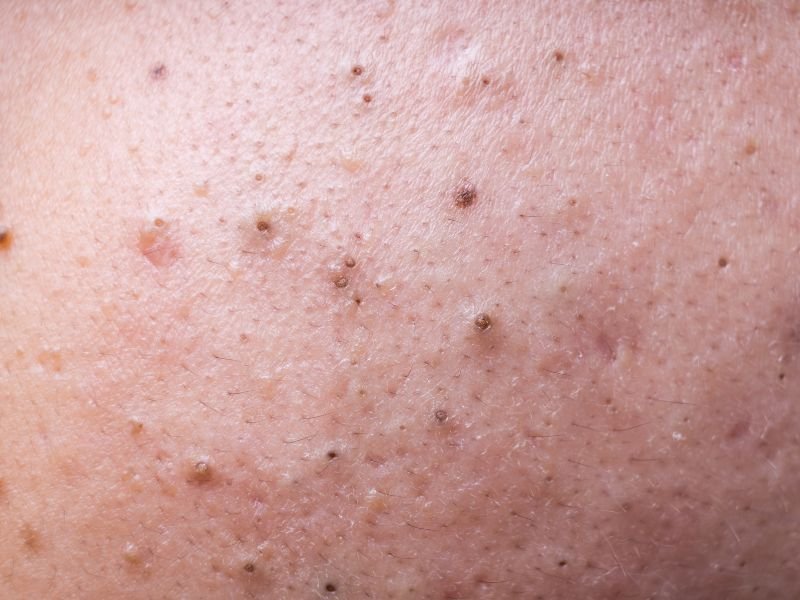
These are just pores clogged with oil and dead skin. When that mixture touches the air, it turns black (it’s not actually dirt!). You’ll usually see these on your nose, chin, or back, especially if you have oily skin.
Tiny Dried Scabs
Sometimes a tiny scratch, needle prick, or bug bite bleeds just a little bit. When that tiny droplet of blood dries, it turns into a hard, black crust.
Trapped Dirt or Splinters
This is exactly what it sounds like. Things like gardening dirt, a poke from a pencil (graphite), or a micro-splinter can get stuck just under the surface of your skin and look like a black speck.
Clogged Hair Follicles
Sometimes a hair follicle gets blocked or slightly irritated (often after shaving) or due to mild infections. This can form a small bump with a dark center, looking a bit like a tiny black dot.
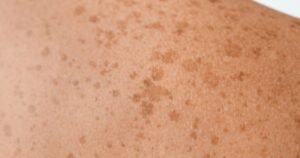
Post-inflammatory hyperpigmentation (tiny)
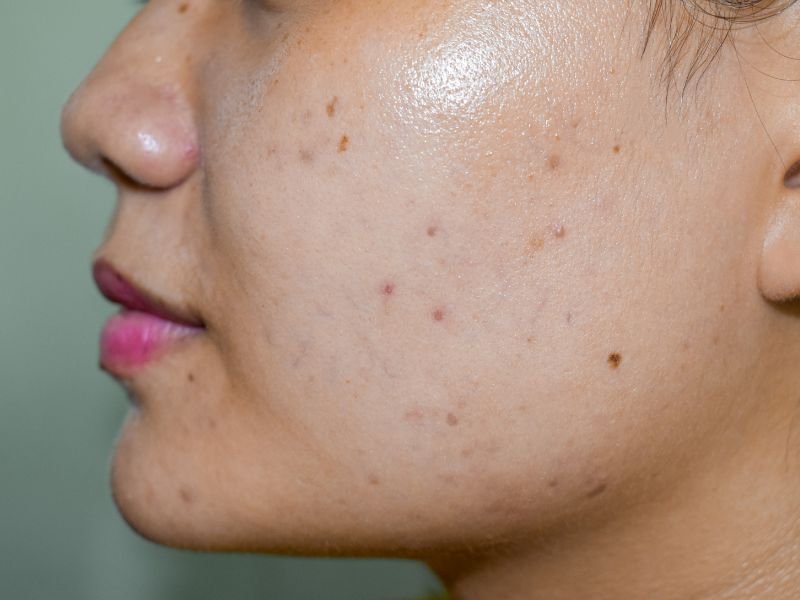
After a pimple or bug bite heals, your skin sometimes leaves a “shadow” behind. This is just extra pigment remaining on the skin after the inflammation goes away.
Less Common, But Good to Know
These causes don’t happen as often as blackheads or scabs, but they are still worth having on your radar.
Rare Fungal Spots
Occasionally, a harmless fungus can live on the surface of your skin, creating dark patches or tiny specks. This is pretty rare and typically shows up on the palms of your hands or the soles of your feet.
New Moles Starting Out
Sometimes, a new mole starts off looking like a tiny pinprick or black dot. While many new moles are perfectly normal, you should always pay attention to them. If a dot starts changing shape, grows quickly, or looks uneven, have a doctor take a look.
Tiny Blood Blisters
Sometimes a small blood vessel near the surface can get a tiny clot. When this happens, it turns dark purple or black almost instantly. It often looks like a very small blood blister that appeared out of nowhere.
Accidental “Micro-Tattoos”
Believe it or not, tiny particles can get trapped under your skin. Tiny accidental tattoos from ink or carbon particles (for example, after handling explosives, fireworks, or soot) can leave black spots.
Serious signs (red flags) – see a doctor immediately
While most dots are nothing to worry about, your skin can sometimes be a messenger for your overall health. If you notice any of the following, it is time to get a professional opinion:
-
They are changing fast. If the dots are suddenly multiplying in number or growing rapidly in size, don’t wait and watch.
-
It won’t heal. Pay attention to any spot that bleeds, scabs over, and then bleeds again. If a sore stays open and refuses to heal, it needs to be checked.
-
It looks irregular. Keep an eye on spots that look “messy.” This includes spots with uneven or blurry edges, spots that contain multiple colors (like brown, black, and red mixed), or anything larger than 6 mm that is changing shape.
-
Tiny red or purple rash. If you see a sudden spread of tiny flat red or purple pinpoints (not blackheads) or notice that you are bruising very easily, this could be an issue with how your blood is clotting.
-
You feel sick overall. If these skin changes come with a fever, night sweats, swollen glands, or weight loss that you can’t explain, see a doctor immediately.
-
Signs of Infection. Severe pain, spreading redness, or signs of infection (pus, warmth, fever).
Quick self-check: What to Look For
If you decide to see a doctor, they will ask you a few questions. Taking a moment to note these details now can help you get a faster, more accurate answer later.
- Location: face, chest, arms, palms, soles, scalp.
- Onset: hours, days, or weeks? Sudden or gradual?
- Number & pattern: single, clustered, linearly arranged, or widespread?
- Size & shape: pinpoint vs larger; round vs irregular.
- Symptoms: itch, pain, discharge, bleeding.
- Recent exposures: new skin products, shaving, gardening, insect bites, tattoos, fireworks, chemical exposure.
- Medical history: blood-thinning meds, bleeding disorders, recent infections.
💡 Pro Tip: Take a clear photo of the spots today, and another one in 24 hours. Try to use the same lighting and angle. It is much easier to spot changes in a photo than by relying on memory!
Simple first steps (safe at-home care)
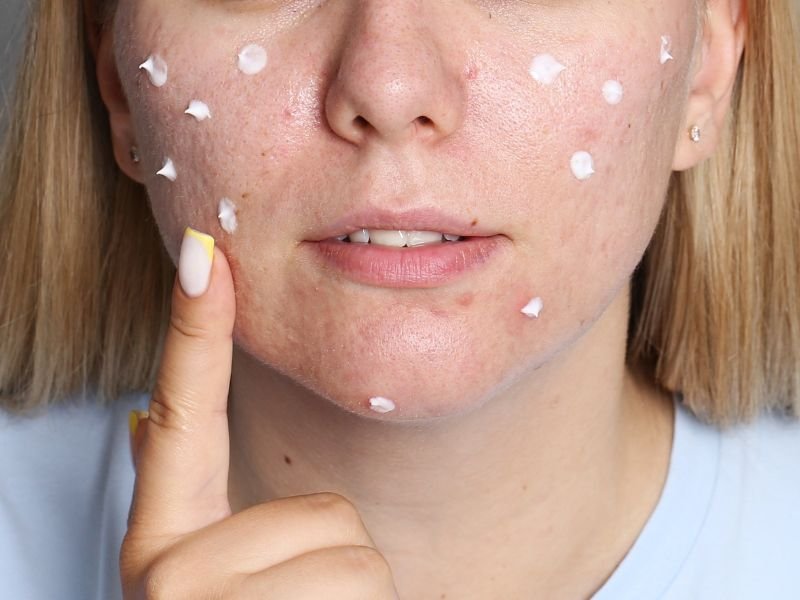
Practical, low-risk actions to take immediately.
Do:
- Snap a clear picture with your phone. If you aren’t sure if the spot is growing or changing, having a dated photo is much better than relying on memory.
- Wash the area gently with mild soap and water, then pat it dry. You don’t need to scrub hard—gentle is better.
- We know it is tempting, but try not to pick, scrape, or extract anything yourself. Picking usually leads to infection or permanent scarring, which looks worse than the original dot.
- If you are fairly sure it’s just a blackhead, use a gentle face wash that contains salicylic acid (you can find this at any drugstore). Follow the instructions on the bottle.
- If your skin feels dry, use a moisturizer. Just make sure the label says “non-comedogenic” (which is fancy speak for “won’t clog your pores”).
Don’t:
- Stay away from “DIY” treatments involving bleach, lemon juice, or strong acids. These can burn your skin and cause long-term damage.
- Never try to squeeze a mole, a dark freckle, or a deep bump. If it is not a simple whitehead, squeezing it can be dangerous.
- Don’t ignore if a spot starts bleeding, hurts, or changes shape rapidly; don’t just hope it goes away. That is your sign to see a doctor.
How a Doctor Will Examine You
What to expect at the doctor or dermatologist.
1. History: Before looking at your skin, the doctor will ask a few questions to get the full picture:
-
How long have the dots been there?
-
Have you changed any medications or started a new hobby (like gardening or painting)?
-
Does anyone in your family have a history of skin cancer?
2. Physical exam: The doctor will examine your skin. They often use a special handheld tool called a dermoscope.
Don’t worry: It doesn’t hurt at all. It’s essentially a high-powered magnifying glass with a special light that lets them see patterns below the surface of your skin that the naked eye can’t catch.
3. Simple tests (only if needed): If the doctor can’t tell what the spot is just by looking, they might do a quick test:
- KOH prep (skin scraping) for fungal checks.
- Bacterial swab/culture for infection.
- Blood tests if bleeding/petechiae expected.
- If a spot looks abnormal, your doctor might suggest a biopsy. This just involves numbing the skin and removing a small piece of tissue to analyze in a lab. It is the most effective way to get the real story about what is actually going on under the skin.
Treatment Options (By Likely Cause)
Concise, practical options aligned with diagnosis.
Blackheads / open comedones
- Look for skincare products with topical salicylic acid, benzoyl peroxide, or topical retinoids (adapalene).
- Professional extraction by a dermatologist or esthetician using sterile technique.
- For very severe cases, a chemical peel to deep-clean your pores.
Post-inflammatory hyperpigmentation
- Time + strict sun protection.
- Topical lightening agents (e.g., niacinamide, azelaic acid, and low-strength hydroquinone under instructions).
- Professional treatments: chemical peels, laser therapy (dermatologist decision).
Dried scabs / minor trauma / foreign body
- If there is something stuck under your skin (like a splinter or dirt), have a professional remove it. Trying to dig it out yourself usually leads to an infection.
- Keep wound clean; topical antibiotic ointment only if advised.
Fungal pigment
- Topical antifungal creams if KOH confirms fungus; oral therapy is rarely required.
For Suspicious Moles
- If a mole looks irregular or risky, the standard treatment is to remove it entirely. This is a quick procedure that allows the doctor to be 100% sure that the spot isn’t cancerous.
For Internal Health Issues
- If the spots are caused by something happening inside your body (like a blood-clotting issue), your doctor will focus on treating that underlying condition rather than just the skin.
Prevention & daily skin habits
Simple habits that reduce the risk of new dots:
- Use sunscreen daily (broad-spectrum SPF 30+).
- Cleanse gently; avoid pore-clogging heavy creams on acne-prone skin.
- Don’t pick or squeeze dots.
- Use proper shaving technique and aftercare to avoid follicle trauma.
- Wear protective clothing/gloves when working with soil, soot, or chemicals.
- Choose expert tattoo artists and follow aftercare.
The Takeaway
If you’ve noticed a new tiny black dot, don’t panic—most of the time, it’s just your skin being skin. Here is your game plan:
-
Start a Photo Log: Snap a clear picture today so you can track any changes over the next week.
-
Try the Basics: If it looks like a blackhead, try a gentle wash with salicylic acid for a few days.
-
Watch for Red Flags: If the spot starts bleeding, grows quickly, or if you start feeling unwell (like having a fever), skip the home remedies and call a doctor.
Your skin is great at telling you when it needs help—you just have to listen!
FAQs About “Tiny Black Dots on Skin Suddenly”
Q: What causes tiny black dots on skin suddenly?
A: Most often blackheads, tiny scabs, dirt/ink deposits, or follicular plugs. Less commonly fungal pigment or new moles.
Q: Are tiny black dots dangerous?
A: Usually not. See a doctor if they grow, bleed, ulcerate, or appear with systemic symptoms.
Q: Can I remove black dots at home?
A: For blackheads, over-the-counter salicylic acid and gentle cleansing can help. Avoid forceful extraction at home — get professional removal for deep or suspicious spots.
Q: Do black dots mean skin cancer?
A: Rarely. Any new or changing pigmented lesion with irregular shape, color variation, or rapid growth should be examined and possibly biopsied.
Q: How long will they take to go away?
A: Depends on cause: blackheads may clear in weeks to months with treatment; post-inflammatory spots fade over months; foreign particles rarely disappear without removal.