Lupus Rash vs Rosacea: Differences, Causes and More
Introduction
As we start our journey in the world of skin conditions, we’ll look at how lupus and rosacea are different. In this simple study, we look at the differences between “lupus vs. rosacea” and make it easy for you to understand skin care.
Find out the different symptoms, causes, and easy-to-follow steps that make identifying the difference between lupus and rosacea simple. Let’s make skin care a little easier to understand!
Lupus Vs Rosacea
Lupus and rosacea are both chronic conditions that can cause redness and irritation on the face, but they are very different in their underlying causes, symptoms, and treatments. Here’s an overview of the major differences:
What is Lupus?
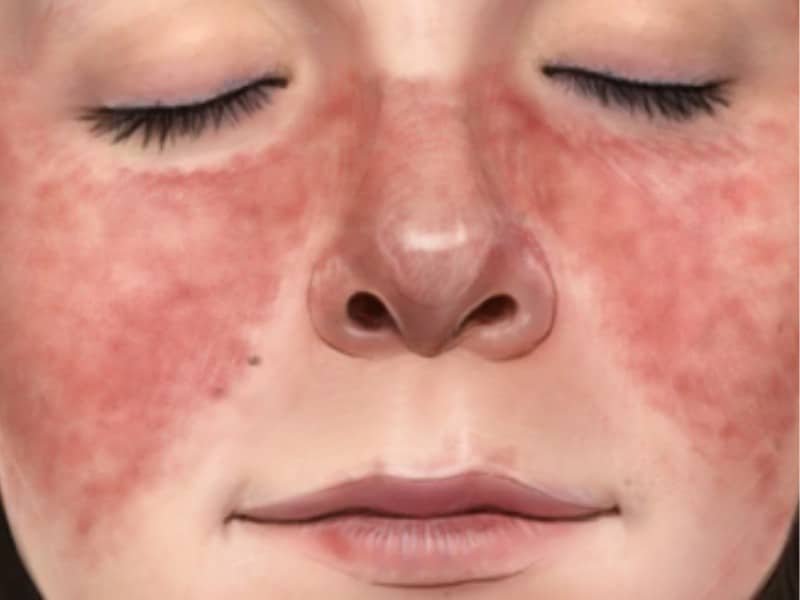
Autoimmune disease: Lupus, technically known as systemic lupus erythematosus (SLE), is a complex autoimmune disease, meaning that the immune system mistakenly attacks healthy tissues in the body.
According to the Lupus Foundation of America, at least five million individuals worldwide and 1.5 million Americans suffer with a form of lupus. Ninety percent (90%) of lupus patients are female. The majority of lupus patients are diagnosed between the ages of 15 and 44.
What is Rosacea?

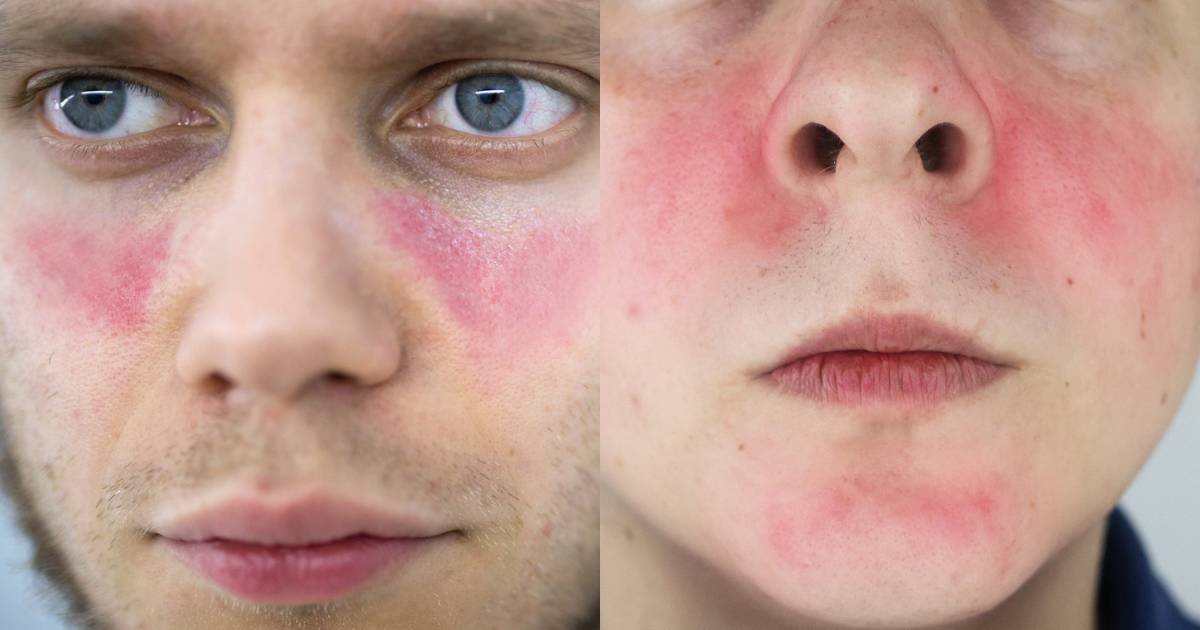
Skin condition: Rosacea is a skin condition that causes chronic redness and inflammation of the face. According to the National Rosacea Society (NRS), 16 million Americans are affected by the symptoms and signs of rosacea.
Causes of Lupus
It’s important to remember that the exact cause of lupus is unknown, but research suggests that these factors can cause lupus:
Genetics. A family history of lupus may increase the risk.
Immune system malfunction. Lupus arises from the immune system mistakenly attacks healthy cells.
Environmental triggers. Exposure to sun, infections, viruses, certain medications, and pollution can trigger or worsen lupus.
Hormonal factors. Hormonal factors, especially in women, may play a role as lupus is more common in females.
Gut microbiome imbalances. Recent research suggests potential links between certain gut bacteria and lupus development.
Epigenetics. Changes in gene expression without alterations to the underlying DNA sequence may contribute.
Causes of Rosacea
It’s important to remember that the exact cause of rosacea is unknown, but research suggests that these factors can cause rosacea:
Genetics. Family history may increase susceptibility.
Dermatitis. Skin inflammation or irritation can trigger symptoms.
Demodex mites. Overpopulation in hair follicles may be a factor.
Abnormal blood vessels. Dilation or inflammation in blood vessels.
Immune system dysfunction. Abnormalities may contribute to development.
Environmental factors. Extreme temperatures, sunlight, wind, humidity, spicy foods, alcohol, and certain medications.
H. pylori infection. Possible association with this stomach bacteria.
Gastrointestinal disorders. Some cases may be linked to GI conditions.
Vasculature abnormalities. Blood vessel problems in the skin.
Neurovascular dysregulation. Dysfunction in blood flow and nerve activity.
Microbiome imbalances. Gut bacteria and skin microbes might influence rosacea development.
Symptoms of Lupus
- Joint pain and swelling
- Fatigue (extreme tiredness, even after rest)
- Malar rash increasing across the nose bridge and cheeks
- Photosensitivity (increased sensitivity to sunlight that can cause rashes on the skin)
- Raynaud’s phenomenon (when under cold or stress, fingers and toes might turn white or blue)
- Mouth or nose ulcers
- Hair loss (hair’s thining or hair loss, sometimes in patches)
- Chest pain (especially during deep breathing)
- Kidney problems
- Cognitive dysfunctio
- Anemia
Symptoms of Rosacea

- Facial redness
- Flushing
- Visible blood vessels
- Papules and pustules
- Eye irritation
- Thickened skin
- Burning or stinging sensations
- Facial swelling
- Swollen nose (rhinophyma)
- Dryness skin
- Lungs or heart issues
- Sensitivity (skincare products and environmental factors)
- Small, pus-filled bumps (These bumps can resemble acne, but they don’t have blackheads or whiteheads)
Butterfly Rash in Lupus:
The common skin manifestation of lupus is a complex, flat rash that appears in a butterfly-shaped pattern across the nose and cheeks. However, not all individuals with lupus will develop this rash.
Butterfly Rash, in Rosacea:
Rosacea can also result in a butterfly-shaped rash on your face; however it is usually more distinct and less flat compared to the rash caused by lupus. Additionally, the rosacea rash is more prone to having pimples or pustules.
Different Types of Lupus:
Lupus, or systemic lupus erythematosus (SLE), can affect various parts of the body, leading to different types of lupus manifestations. Here are some common types:
1. Systemic Lupus Erythematosus (SLE):
The most common form affects multiple organs and systems throughout the body.
Symptoms can range from mild to severe and may involve joints, skin, kidneys, heart, lungs, and more.
2. Discoid Lupus Erythematosus (DLE):
It primarily affects the skin, causing disc-shaped, scaly rashes and skin lesions.
Typically, DLE does not affect internal organs as SLE does.
3. Subacute Cutaneous Lupus Erythematosus (SCLE):
Presents with skin lesions triggered or worsened by exposure to sunlight.
Skin symptoms are often more specific than those in DLE but less severe than SLE.
4. Drug-Induced Lupus Erythematosus:
Caused by certain medications, and symptoms usually resolve after discontinuing the medication.
Medications associated with drug-induced lupus include certain blood pressure drugs and anti-seizure medications.
5. Neonatal Lupus:
A rare form affecting newborns of mothers with lupus antibodies.
Can cause skin rashes, liver problems, and, rarely, heart issues in newborns.
6. Cutaneous Lupus Erythematosus (CLE):
Encompasses various forms of lupus, primarily affecting the skin.
Includes subtypes like acute cutaneous lupus and chronic cutaneous lupus.
Different Types of Rosacea
There are types of rosacea, each showing different symptoms:
1. Erythematotelangiectatic rosacea (ETR):
This is the type characterized by facial redness, flushing and visible blood vessels.
2. Papulopustular rosacea:
Papulopustular rosacea, this type causes bumps filled with pus on the face, resembling acne papules and pustules but lacking blackheads or whiteheads.
3. Rhinophyma (phymatous):
This rare form leads to thickening and enlargement of the skin on the nose.
4. Phymatous rosacea:
Characterized by thickened and bumpy skin often affecting the nose (rhinophyma).
However, phymatous rosacea can also impact areas of the face.
5. Ocular rosacea:
It affects the eyes. Can cause dryness, a burning sensation, itching, redness and sensitivity to light. It may also lead to inflammation of the eyelids and other eye related problems.
6. Neurogenic rosacea:
This type of rosacea involves symptoms that are connected to nerve sensitivity. It is often associated with feelings of burning or stinging on the skin.
Diagnoses of lupus
A healthcare expert, commonly a rheumatologist who specializes in autoimmune diseases, does a full examination to confirm a diagnosis of lupus.
People with lupus can’t be diagnosed with just one test. However, their medical history, clinical exams, and lab tests are all used together to make the diagnosis. Here are some important parts of the lupus-specific process:
Clinical criteria
Some parts, like the skin, joints, kidneys, blood cells, and others, need to achieve certain requirements in order to be diagnosed.
Medical history
Gathering information about the patient’s symptoms, medical history, and family history of autoimmune disorders.
Physical examination
A complete examination to monitor the skin, joints, and organs for signs of inflammation or damage.
Laboratory tests
Antinuclear Antibody (ANA) Test. This blood test is generally positive in lupus, but a positive result alone isn’t individual. It helps support the diagnosis.
Complete blood count (CBC). Detects abnormalities in blood cell counts, like anemia or a low platelet count.
Erythrocyte sedimentation rate (ESR) and C-reactive protein (CRP). Indicators of inflammation in the body.
Urinalysis. Checks for kidney involvement, which is common in lupus.
Additional Tests:
Depending on symptoms, other tests may be performed, such as imaging studies, skin biopsies, or specialized blood tests for specific antibodies associated with lupus, like anti-double-stranded DNA (anti-dsDNA) or anti-Smith (anti-Sm) antibodies.
Diagnoses of rosacea
A doctor or other medical professional will generally diagnose rosacea by examining the patient’s medical history, performing a physical examination, and examining the symptoms they are experiencing.
There is no specific diagnostic test for rosacea, but the following criteria and examinations are commonly used:
- Clinical Examination
- Patient History
- Subtype Identification
- Exclusion of Other Conditions
- Patient Questionnaires
In some cases, additional tests may be performed to rule out other conditions or examine the severity of symptoms:
- Skin biopsy
- Blood tests
Taming the Beasts: New Treatments 2025
Old Treatments for Lupus:
There is no cure for lupus, but some treatments can manage symptoms, prevent flares, and improve quality of life.
Medications
Nonsteroidal anti-inflammatory drugs (NSAIDs). Over-the-counter medications like ibuprofen or naproxen to relieve pain and inflammation.
Corticosteroids. Prednisone, a powerful anti-inflammatory medication, is used to control severe flares.
Antimalarial drugs. Hydroxychloroquine, originally used for malaria, helps manage skin symptoms and prevent flares.
Immunosuppressants. Azathioprine, methotrexate, mycophenolate mofetil, and cyclophosphamide suppress the overactive immune system.
Biologic drugs. Newer targeted therapies like belimumab and rituximab block specific parts of the immune system involved in lupus.
New Treatments for Lupus:
Here are some new powerful treatments of 2025 for lupus:
1. Anifrolumab
Exciting news for people with lupus—researchers have found that a new medicine called anifrolumab can effectively reduce disease activity. In a large Phase III trial called TULIP 2, patients who received anifrolumab showed clear improvement compared to those on placebo.
How does it work?
- Anifrolumab is an antibody that blocks type I interferons, molecules that play a big role in driving lupus inflammation.
- By blocking these signals, the drug helps calm the overactive immune system and reduce flare activity.
Why is this important?
- Lupus is complex and current treatments often rely on steroids, which can cause serious side effects if used long-term.
- Anifrolumab offers a targeted therapy—it goes after a specific pathway in lupus instead of broadly suppressing the immune system.
- Trial results showed significant improvement in organ symptoms without new flares, which means better disease control.
What patients should know
- This treatment is designed for people with moderate-to-severe systemic lupus erythematosus (SLE).
- It’s given by infusion and may become a valuable option for patients who don’t respond well to standard therapies.
- While further monitoring is needed, the results are very promising and bring hope for more personalized lupus care.
2. CAR T-Cell Therapy
A groundbreaking approach called CAR T-cell therapy is now being tested in lupus. In a trial in Australia, a patient named Lani Watson got this therapy and saw major improvements:
- Before: Severe lupus caused pain everywhere, really hard to do daily tasks.
- After: No flare-ups, swelling reduced, off heavy immunosuppressants, back to playing sports and living with much less pain.
What is CAR T-cell therapy in simple words?
- They take a blood sample from the person and pull out special immune cells called T-cells.
- In the lab, these T-cells are reprogrammed so that they recognize and attack the “bad” immune cells causing lupus.
- Then the modified cells are put back into the body. It’s like teaching the immune system to “unlearn” its mistake.
Why It’s Exciting
- It’s potentially a long-term or possibly permanent fix rather than just managing flares.
- Could reduce dependence on long-term immunosuppressants, which often come with many side effects.
- For people with severe lupus not helped by standard treatments, it could be life changing.
While it remains experimental and costly, it represents a hopeful step toward more personalized, long-term treatment for lupus.
Lifestyle changes
- Sun protection
- Stress management
- Regular exercise
- Healthy diet
- Adequate sleep
Old Treatments for Rosacea:
There is no cure for rosacea, but there are effective treatments that can manage the symptoms and prevent flares. Treatments may include:
Medications
Topical medications. Creams, gels, and lotions containing ingredients like metronidazole, hyaluronic acid, azelaic acid, Ivermectin, ferulic Acid or brimonidine can reduce redness, bumps, and inflammation.
Oral medications. Antibiotics, in some cases, can quell the inflammatory chorus.
Laser therapy. A targeted spotlight to reduce visible blood vessels.
New Treatments for Lupus:
There are some new treatments for rosacea:
1. GABA Medications
Rosacea isn’t just a skin problem—it also involves the nerves in your skin. In rosacea, the nerves can become overactive, sending too many signals that cause blood vessels to widen and release inflammation. This leads to that familiar redness and burning sensation.
A recent study of 2025 found that certain medications normally used for nerve pain—called GABA derivatives (like gabapentin and pregabalin)—may actually help reduce rosacea symptoms such as redness, burning, and flushing.
2. Emrosi (DFD-29): A New Oral Treatment
In late 2024, the FDA approved Emrosi (DFD-29), a 40 mg extended-release oral capsule of minocycline hydrochloride. This is a big step forward because it’s the first oral treatment in the U.S. approved to target both redness (erythema) and inflammatory bumps/pimples caused by rosacea.
Why is this important?
Dual action: Unlike older options that usually focused on either redness or bumps, Emrosi addresses both main symptoms.
Extended-release formula: The medication delivers the drug steadily over time, which improves tolerability and reduces side effects compared to traditional antibiotics.
Better results: Clinical trials (MVOR-1 and MVOR-2) showed that Emrosi worked better than standard doxycycline, with minimal side effects.
How it changes treatment options
Before Emrosi, most FDA-approved rosacea treatments were topical creams and gels (like ivermectin, oxymetazoline, minocycline foam, and benzoyl peroxide). Now, patients with moderate to severe symptoms have an effective oral option that’s designed specifically for rosacea.
Lifestyle changes
- Sun protection
- Apply a broad-spectrum sunscreen with SPF 30 or higher daily
- Avoid direct sun exposure during peak hours (usually 10 am to 4 pm)
- Healthy Diet
- Stay cool (Avoid overheating, such as hot showers, sweat, saunas, or strenuous exercise)
- Regular Sleep (Aim for 7-8 hours of quality sleep each night)
- Stress management (Yoga, meditation, deep breathing exercises, or spending time in nature)
Here’s a table summarizing the key differences:
| Feature | Lupus | Rosacea |
|---|---|---|
| Type of disease | Autoimmune disease | Skin condition |
| Causes | Immune system malfunction | Unknown, likely multifactorial |
| Symptoms | Widespread, including fatigue, fever, joint pain, hair loss, mouth sores | Primarily facial, including redness, flushing, visible blood vessels, pimples, pustules |
| Rash | Butterfly-shaped, flat, may or may not be present | Butterfly-shaped, may have pimples or pustules |
| Internal involvement | Can affect many organs | Does not typically affect internal organs |
Similarities
Both can generate facial redness, flushing, and a butterfly-shaped rash across the cheeks and nose.
Both can be sensitive to sun, stress, and certain triggers.
Both can create discomfort and impact the quality of life.
Summary
Overall, both rosacea and lupus can affect the look of your face, but their causes, symptoms, and main methods of function are different.
But if you feel that you might have both of these conditions, it’s important to talk to a doctor or expert dermatologist to get the proper diagnosis, the best treatment plan, and the correct advice.
Sources
- Lupus Foundation of America: lupus.org
- National Rosacea Society: rosacea.org